
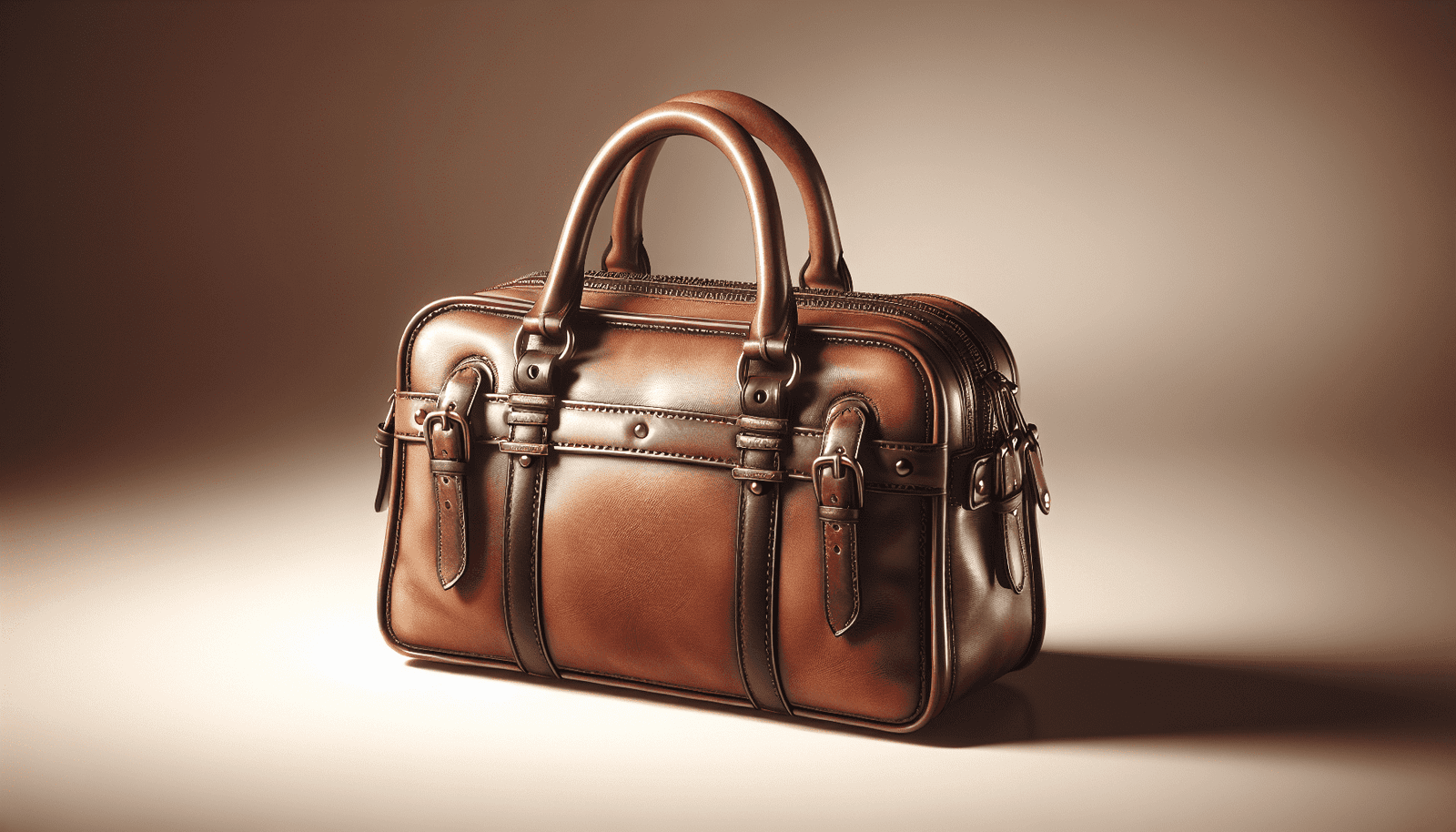
Looking for the smartest way to buy Designer Handbags on clearance sales and keep them looking new for years?
Designer Handbags Clearance Buying Guide and Care Tips for 2025
This guide helps you shop clearance sales confidently and care for your Designer Handbags so they last. You’ll learn where to find trustworthy deals, how to authenticate and evaluate condition, negotiation tips, and detailed care instructions for common materials. Each section is practical and written so you can act on it immediately.
Why shop at Designer Handbag clearance?
Shopping for Designer Handbags at clearance sales can let you own high-end pieces without paying full retail. You’ll typically find past-season styles, minor irregularities, or last-button inventory at a fraction of the price, letting you build a more elevated wardrobe within budget.
Choosing clearance intentionally saves money and can improve the sustainability of your closet by keeping luxury handbags in circulation. With careful browsing and smart inspection, you can score iconic pieces that retain resale value and personal satisfaction.
Types of Designer Handbags clearance sales and how they differ
Clearance events come in several forms, and each affects price, authenticity guarantees, and return policies. Understanding the differences helps you choose the right channel based on risk tolerance and desired price point.
Fashion Outlet stores
Fashion Outlet stores are often brand-authorized and sell overstock or past-season items. You’ll usually find authentic pieces with full brand support, though some items may be made specifically for outlet lines.
Department store clearance of Designer Handbags
Department stores clear seasonal inventory and floor samples of Designer Handbags, often offering deeper discounts during major sale periods. Returns and authenticity are generally reliable, but the selection can be hit-or-miss.
Online Designer Handbags clearance sections
Brand websites and major retailers regularly host online clearance pages. These are convenient and secure, but stock moves fast and some bargains may be final sale.
Sample sales and flash sales of Designer Handbags
Sample sales provide rare chances to buy designer stock at steep discounts, but quantities are limited and authenticity or return policies vary. Flash sale sites can offer big markdowns on genuine stock but require vigilance about seller reputation.
Consignment and pre-owned Designer Handbags clearance
Consignment shops and resale platforms often run clearance promotions to move inventory. Here you can find high-value pre-owned pieces, but you must verify condition and authenticity yourself or use platform authentication services.
How to spot authentic Designer Handbags on clearance
Authentication of Designer Handbags is the single most important skill when buying designer bags on clearance, especially from non-authorized sellers. You’ll avoid costly mistakes and protect your investment by learning the core signs of genuineness.
Red flags and positive signs during Designer Handbags Authentication
Look for consistent quality in stitching, symmetric logos, correct hardware engravings, serial numbers or date codes, quality linings, and brand-specific features. Beware of unusually low prices, missing authenticity materials, poor craftsmanship, or inconsistent fonts and spacing on logos.
Authenticity checklist (quick reference) for Designer Handbags
| Feature to check | What to expect on an authentic bag | Red flag to watch for |
|---|---|---|
| Stitching | Even, tight stitching with no loose threads | Uneven or sloppy stitches |
| Hardware | Branded engravings, solid feel, consistent color | Flaky plating, poorly engraved logos |
| Logo/Monogram | Symmetric placement and correct font/spacing | Misaligned pattern or altered font |
| Serial number/date code | Present and matches brand format | Missing, incorrect, or generic numbers |
| Lining | High-quality material, brand-specific pattern | Cheap fabric or glue showing |
| Weight | Solid and substantial for metal parts | Feels lightweight or hollow |
| Packaging | Brand-consistent dust bag, tags, box | No dust bag or generic packaging |
Use that checklist every time you examine a clearance find, and don’t proceed if too many red flags appear.
Designer Handbags Brand-specific clues to know
Different Designer Handbags designers use distinct markers you can learn to recognize quickly.
- Chanel: Look for consistent quilt pattern alignment, CC lock engraving, and the hologram sticker paired with an authenticity card on older models. Newer Chanel includes different authentication features like microstitch patterns and embossed serials.
- Louis Vuitton: Monogram canvas should have consistent pattern repetition and perfectly aligned seams; date codes follow brand-specific formats. Be cautious about misaligned or cut-off monograms.
- Gucci: Inspect leather quality and GG monogram spacing; look for a leather tag with a serial number on the interior.
- Prada: Look for a metal triangle logo that’s securely attached, and an interior logo plate with clean font and correct spacing.
- Hermès: Confirm that stitching is precise, edges are burnished cleanly, and hardware stamps match the year/atelier. Hermès items often have blind stamps or owner marks.
Each Designer Handbagsbrand has nuances; when in doubt, compare with verified images from official sources or consult authenticated resale platforms.

Where to buy designer handbags at clearance
Knowing where to shop is key to balancing price with safety. Here are the main channels and how to approach each one with caution and strategy.
Authorized Designer Handbags brand outlets and website clearance
Buying from the Designer Handbags brand’s outlet or official clearance page gives you the best authenticity guarantee and return protection. Discounts tend to be smaller than used markets but your risk is lowest.
Pros: Authenticity guaranteed, returns supported.
Cons: Smaller discounts, limited selection.
Department stores and large retailers of Designer Handbags
Stores like Nordstrom, Bloomingdale’s, or Saks Off 5th often have clearance racks or online sections. You’ll find a mix of authentic items with return policies you can trust.
Pros: Good buyer protection, easier returns.
Cons: Selection varies; discount depth inconsistent.
Consignment shops and brick-and-mortar resale
High-end consignment stores curate inventory and often do authentication checks. You can inspect items in person and negotiate.
Pros: Curated inventory, sometimes negotiable pricing.
Cons: Prices can still be high relative to condition; local selection limited.
Online resale marketplaces for Designer Handbags
Platforms like The RealReal, Vestiaire Collective, Fashionphile, and reputable parts of eBay have authentication processes. Each platform has different fees, return policies, and authentication transparency.
Pros: Huge selection, competitive pricing.
Cons: Fraud risk on some platforms; verify seller ratings and authentication methods.
Peer-to-peer and social marketplaces
Facebook Marketplace, Instagram sellers, and small independent sellers sometimes carry great finds, but you must be extra cautious: demand detailed photos, proof of purchase, and consider using an escrow or in-person meetups at public, safe locations.
Pros: Potential for steep discounts.
Cons: Highest fraud risk, limited buyer protection.
Where to buy Designer Handbags — pros and cons table
| Channel | Pros | Cons |
|---|---|---|
| Brand outlet | Authentic, returnable | Limited discounts |
| Department store | Good protections | Inconsistent selection |
| Consignment shop | Curated, often authenticated | Can be pricey |
| Large resale platforms | Wide selection, authentication | Fees, variable return policies |
| Peer-to-peer | Deep discounts possible | High fraud risk |
How to evaluate condition and true value of Designer Handbags
When shopping clearance, you’ll encounter new-with-tags, new-without-tags, pre-owned in excellent condition, and heavily worn pieces. Your price threshold should reflect condition, rarity, and demand.
Condition grades explained
- New with tags (NWT): Mint condition, original packaging, full price structure may be applied.
- New without tags (NWOT): Never used but missing tags or box, often slightly discounted.
- Excellent/Like new: Minimal wear, cleaned interiors, no significant scuffs.
- Very good: Visible but minor wear — light edge scuffs, faint stains.
- Good/Fair: Noticeable wear, requires restoration or repair.
What to inspect in Designer Handbags in person or via photos
- Exterior leather/canvas for scratches, discoloration, water marks.
- Corners and edges for rubbing and edge glaze wear.
- Hardware for plating loss, scratch marks, and functional zippers.
- Interior lining for stains, odors, or tears.
- Stitching and strap attachment points for stress signs.
- Zipper teeth and mechanisms for smooth operation.
Inspection checklist (what to ask the seller) Designer Handbags
| Question to ask | Why it matters |
|---|---|
| Is there an authenticity card or original receipt? | Confirms origin and date |
| Has the bag been repaired or restored? | Affects condition and future care |
| Are there any odors (smoke, perfume)? | Hard to fully remove odors |
| Can you provide serial/date code photos? | Matches brand authentication |
| Are straps and hardware original? | Replacements affect value |
Estimating fair price and negotiating
Research sold prices on resale platforms for the same model and condition. Use those comparables to gauge reasonable offers. When you find flaws that need repair or professional cleaning, subtract estimated repair costs from your target price.
Negotiation tips:
- Start lower but reasonable based on comparables.
- Point out specific flaws with photos when requesting discounts.
- Ask for bundled deals if buying multiple items.
- On final-sale clearance, respect the store’s policy but ask about price matching or coupons.
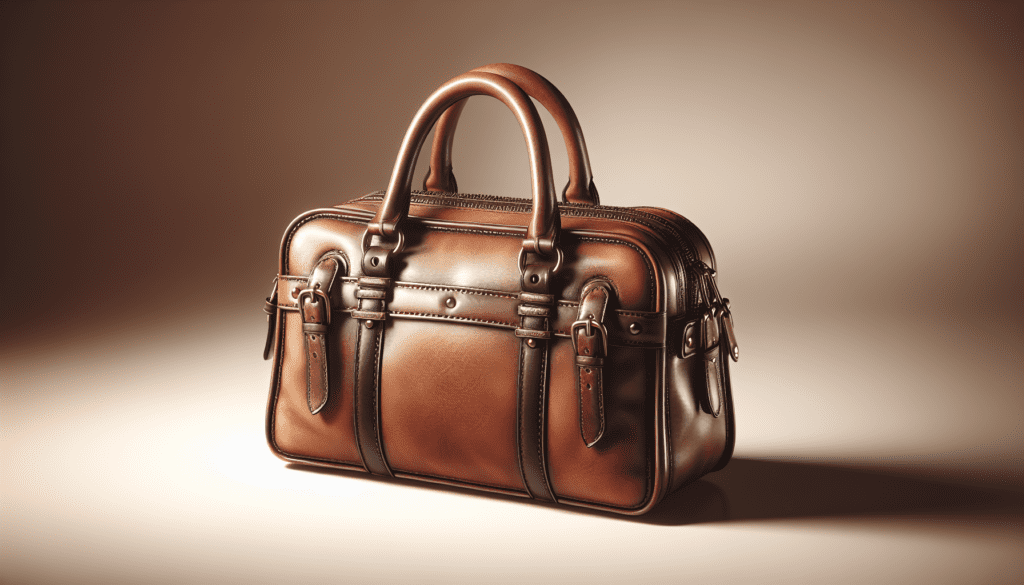
Sizing, style, and practical considerations of Designer Handbags
Choose Designer Handbags that suit your lifestyle and body proportions. Clearance often offers interesting colorways or classic styles at a bargain, so think about long-term wearability versus trendy pieces.
How to match size of Designer Handbags to needs
- Mini and micro bags: Great for events and minimal essentials, not practical for daily carry.
- Medium totes and shoulder bags: Offer balance for daily needs, work, or travel.
- Large totes and weekender bags: Perfect for travel and heavy packing, but can be bulky.
Think about daily contents—laptop, wallet, makeup pouch—and measure before you buy to ensure the bag meets your needs.
Style choices: classic vs trend
- Classic styles (e.g., flap bags, structured totes): Better resale and long-term wear.
- Trend pieces: Cheaper on clearance and fun, but may lose appeal faster.
If you plan to resell later, favor classics or limited-edition pieces with strong demand.
Care tips to maintain Designer Handbags
Once you’ve purchased a clearance find, proper care keeps it looking new and preserves value. The following care routines and cleaning methods are tailored to common materials you’ll encounter.
General storage and handling tips for Designer Handbags
Store your bag upright in its dust bag away from direct sunlight and extreme humidity. Keep acid-free tissue to maintain shape but avoid overstuffing which can stress seams. Rotate use to avoid constant wear on one piece, and never hang a heavy bag by its straps for long periods.
Cleaning tools and products to have on hand
- Soft, lint-free cloths (microfiber)
- Soft-bristled brush for suede/nubuck
- Leather cleaner and conditioner appropriate to leather type
- Canvas cleaner or gentle soap for coated canvas
- Suede/nubuck eraser and spray protector
- Brass or silver polish for uncoated metal hardware (use sparingly)
- Shoe trees or bag shapers for maintaining structure
Recommended Cleaning tools/products table for Designer Handbags
| Product type | Use | Example features to look for |
|---|---|---|
| Mild leather cleaner | Removes surface dirt | pH-balanced, non-drying |
| Leather conditioner | Prevents drying and cracking | Non-greasy, penetrative |
| Suede brush and eraser | Lifts dirt from suede | Nylon bristles, clean rubber eraser |
| Microfiber cloths | Gentle wiping and buffing | Lint-free, soft |
| Dust bag | Long-term storage | Breathable fabric, not plastic |
| Bag shaper/tissue | Maintain shape | Acid-free tissue or inflatable shaper |
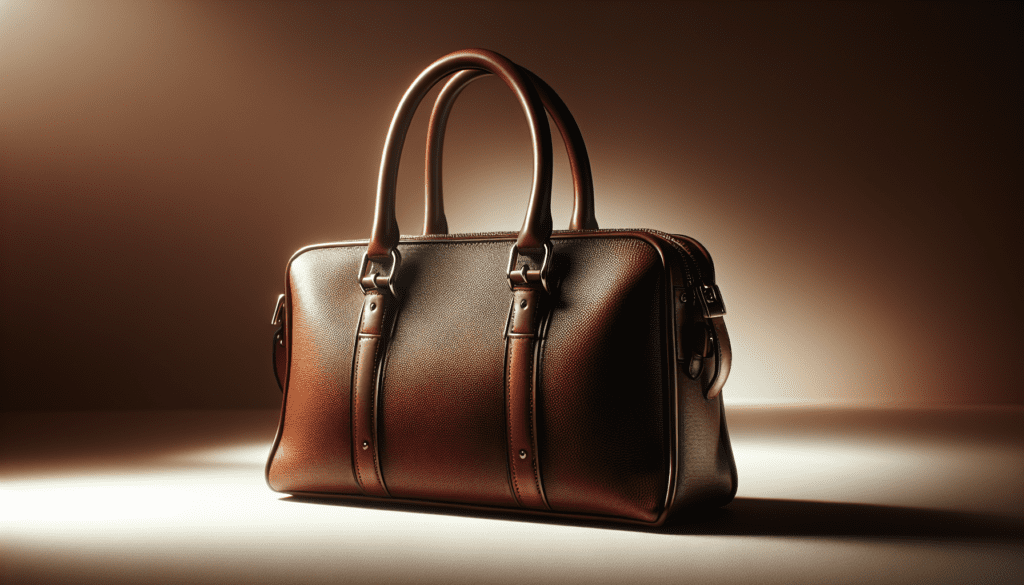
Cleaning methods for different materials
Each material requires a different approach. Use spot tests on an inconspicuous area first.
Smooth leather (calfskin, lambskin)
Clean: Wipe gently with a damp (not wet) microfiber cloth, or a small amount of mild leather cleaner.
Condition: Apply a thin layer of leather conditioner sparingly, then buff. Avoid over-conditioning, which softens structure.
Pebbled/grained leather
Clean: Often more forgiving; use a damp cloth and mild cleaner.
Condition: A light conditioner helps maintain grain and gloss without altering texture.
Patent leather
Clean: Wipe with damp cloth and a mild soap solution if needed. For scuffs, a small drop of mineral oil or petroleum jelly can restore shine; wipe excess.
Avoid: Harsh chemicals and abrasive scrubbing.
Suede and nubuck
Clean: Use a suede brush to lift nap and a suede eraser for spots. For stains, consider a dedicated suede cleaner. Let dry naturally; then brush to restore texture.
Protect: Use suede protector spray before regular use to repel stains.
Canvas and coated canvas (e.g., monogram canvas)
Clean: Wipe with a damp cloth and mild soap; gently scrub with soft brush on tougher spots. Avoid soaking.
Condition: Canvas doesn’t need conditioning; wipe hardware separately.
Exotic skins (python, crocodile, ostrich)
Clean: Keep away from water; use a barely-damp cloth and specialized exotic-skin products. Always clean following grain direction.
Condition: Use conditioners formulated for exotic skins to maintain flexibility. These skins are delicate and best handled by professionals for serious stains or damage.
Hardware maintenance of Designer Handbags
Polish lightly with a soft cloth to remove fingerprints. Use metal polish only on uncovered hardware and test a tiny area first. For plated hardware, avoid abrasives that will remove plating.
Routine maintenance schedule of Designer Handbags
A simple routine keeps your bags in top shape without overwhelming you.
- Daily: Empty crumbs or debris, close zippers, store upright.
- Weekly: Air out interior, wipe handles and high-contact areas.
- Monthly: Check hardware, minor clean on exterior with an appropriate product.
- Quarterly: Deep clean and condition leather items; brush suede; inspect linings.
- Annually: Professional cleaning or service for expensive pieces; update insurance and documentation.
Handling repairs and restoration
Some issues you can fix yourself; others need professional restoration. Knowing the difference prevents further damage.
DIY vs professional repair
Do it yourself:
- Minor scuffs on smooth leather using conditioner
- Loose threads that can be carefully trimmed
- Minor lining spot cleaning with gentle soap
Hire a professional:
- Restitching of seams and structural repairs
- Replacing hardware or zippers
- Major leather scratches, water damage, or color restoration
- Exotic skin repairs
Professional repair centers preserve value and use original parts when possible. Costs vary by brand and repair complexity; request an estimate before work begins.
Finding reputable repair services for Designer Handbags
Look for authorized brand ateliers for brand-specific repairs, or trusted independent bag restorers with strong reviews and before/after portfolios. Ask for references and guarantees on work done.
Insurance, documentation, and resale considerations
Insuring a high-value bag protects your investment. Documentation also helps resale and authentication.
Documentation to keep
- Original receipt and warranty cards
- Authenticity cards, dust bags, and original boxes
- Professional appraisal or repair receipts
- High-resolution photos of serial numbers and condition
Store digital copies of these documents in a secure cloud location and keep originals in a safe.
Insurance options for Designer Handbags
- Homeowner’s or renter’s insurance: May cover contents but often includes a deductible and may require scheduling items individually.
- Specialty jewelry and fine-art policies: Some companies offer rider policies for luxury goods, often with agreed value coverage.
- Consider appraisals and photographing items for insurance claims.
Resale value tips for Designer Handbags
- Keep original packaging and documentation to maximize resale value.
- Maintain the bag’s condition and address minor repairs promptly.
- List comparable sold prices and be factual about condition to attract buyers.
Sustainable and ethical buying
Buying clearance or pre-owned helps reduce waste and extend a bag’s lifecycle. You can make choices that align with ethical consumption and get beautiful pieces at better prices.
- Favor well-made, timeless pieces that will be used for years.
- Repair rather than discard—restoration can significantly extend an item’s life.
- Support consignment or platforms that authenticate and properly recycle or repurpose damaged items.
Final checklist for clearance purchases
Before you commit to a clearance handbag purchase, run through this final checklist to ensure you’re buying smartly.
- Is the seller reputable with verifiable reviews?
- Are serial numbers, receipts, or authenticity cards available?
- Does the condition match the stated grade, and are photos detailed?
- Have you compared recent sold prices for similar items?
- Do you have a plan for cleaning, repair, and storage?
- Will the bag suit your daily needs and long-term style preferences?
- Are return policies and guarantees clear if buying from a store or online?
Quick Designer Handbags decision table
| Situation | What you should do |
|---|---|
| Price seems too good to be true | Verify authenticity thoroughly; prefer a platform with authentication |
| Small cosmetic flaw but good price | Factor repair/cleaning costs into your offer |
| No documentation or serial number | Proceed only if seller provides convincing proof or professional authentication |
| Bargain from an authorized outlet | Check return policy; buy if condition and size fit your needs |
| Pre-owned with full documentation | Strong candidate—likely good resale and insurable value |
Conclusion and next steps for Designer Handbags
Buying Designer Handbags on clearance can be deeply rewarding when you approach it with knowledge and care. You’ll get better bargains, protect your investment, and enjoy your pieces longer by following authentication checks, careful inspection, and proper maintenance routines.
Start by browsing reputable clearance channels with a clear checklist in hand, and remember that the best clearance purchase is one you’ll actually use and enjoy. With the right buy-and-care habits, your designer handbag can be a restored classic, a daily essential, or an investment that continues to give.