

Which Coach Bags should you choose, and how can you keep it looking like new for years?
Ultimate Guide to Coach Bags Care and Maintenance 2025 and Authenticity
This guide gives you practical, detailed information about Coach Bags, the materials and styles you’ll encounter, how to authenticate and maintain them, and how to make repair and storage decisions that preserve value. You’ll find step-by-step cleaning instructions, comparisons of materials, and tips for buying new or pre-owned. Each section is written so you can act with confidence and keep your bag in the best condition.
Understanding Coach Bags as a Brand
Coach is a long-standing American leather goods company known for blending heritage craftsmanship with modern style. You’ll notice classic silhouettes alongside seasonally updated designs, which makes Coach Bags versatile for many wardrobes.
Brand history of Coach Bags in brief
Coach began in 1941 as a family-run workshop and evolved into a global fashion house. You’ll recognize the label for its emphasis on Coach Bags leather quality, accessible luxury, and consistent product lines that appeal to a wide audience.
What sets Coach Bags apart
Coach Bags balance craftsmanship, recognizable design elements, and accessibility. You’ll often see signature canvas prints, refined leather finishes, and hardware that reads both modern and classic. These elements affect care routines, resale value, and authenticity checks.
Types of Coach Bags
Coach produces a broad range of Coach Bags styles that fit different needs and occasions. Understanding the primary categories will help you choose the style that suits your lifestyle and maintenance preference.
Crossbody and camera bags
Crossbody styles are compact, hands-free, and work well for travel or daily errands. You’ll find both leather and coated canvas options that are easy to maintain and perfect for practical, everyday use.
Satchels and hobos
Satchels often have structured shapes with top handles and sometimes a crossbody strap. You’ll appreciate their versatility for both office and casual settings. Hobo bags are slouchier and often softer in leather, giving a relaxed silhouette that requires attention to shape retention.
Totes and shoppers
Totes are spacious and functional for work, shopping, or travel. You’ll prefer durable materials and reinforced handles for heavy use. Maintenance focuses on interior cleaning and protecting the base from abrasion.
Clutches and wristlets
These compact Clutches are ideal for evenings and minimal carry. You’ll want to keep hardware polished and linings clean since small stains show quickly in compact interiors.
Limited editions and collaborations of Coach Bags
Limited releases of Coach Bags often feature unique materials or hardware. You’ll need to follow specific care instructions for specialty fabrics or finishes and may consider professional care to preserve collector value.
Materials and Construction of Coach Bags
Knowing materials of Coach Bags directly affects how you care for your Coach bag. Different leathers and fabrics demand different cleaning and storage approaches.
Common leathers used in Coach Bags
You’ll see several Coach leather types in Coach Bags:
- Glovetanned leather: Smooth, supple, and developed for longevity.
- Pebbled leather: Textured surface that hides minor scratches well.
- Suede and nubuck: Velvety finishes that require gentle, specialized care.
- Exotic or printed leathers: Require particular attention and professional help for serious stains.
Each leather offers different durability and maintenance needs.
Glove tanned vs pebbled leather differences
Glove tanned leather is smooth and becomes more beautiful with time; it shows scratches more readily. Pebbled leather’s texture provides forgiveness for daily wear and often requires less frequent conditioning.
Canvas and coated canvas used in Coach Bags
Coach’s signature canvas or coated canvas options are durable and more stain-resistant than untreated fabrics. You’ll clean these with mild soap and water but avoid harsh solvents that could remove printing or finishes.
Hardware and linings in Coach Bags
Hardware (zippers, clasps, studs) is typically brass, nickel, or plated metals in Coach Bags. You’ll notice plating wear over time; keeping hardware dry and clean slows tarnish. Linings vary from fabric to leather; fabric linings can trap dirt and crumbs while leather linings require conditioning.
Materials Comparison Table
| Material | Durability | Maintenance Difficulty | Best Uses | Typical Cost |
|---|---|---|---|---|
| Glovetanned leather | High | Moderate | Everyday, structured bags | Mid–high |
| Pebbled leather | Very high | Low | Daily wear, commuters | Mid |
| Suede / Nubuck | Moderate | High | Casual, statement pieces | Mid–high |
| Coated canvas | High | Low | Travel, casual bags | Low–mid |
| Exotic skins | Variable | Very high | Luxury, limited editions | High–very high |
How to Authenticate Coach Bags
When buying new or pre-owned Coach Bags, authentication prevents costly mistakes. You’ll learn the common markers that separate authentic Coach pieces from fakes.
Creed patch and serial numbers of Coach Bags
Most authentic Coach bags have a creed patch inside with a model number embossing. The format has changed over the years but usually contains letters and numbers. You’ll use that code to cross-check with reputable authentication services.
Stitching and craftsmanship clues in Coach Bags
Check stitching consistency and edge finishing. You’ll expect clean, even stitches and smoothly finished edges. Sloppy stitching or glue residue can be signs of counterfeit or poor manufacturing.
Hardware and logos of Coach Bags
Authentic Coach Bags hardware is solid, engraved, and aligned with the brand’s standards. You’ll notice the Coach logo consistent in font and spacing; mismatched fonts or cheaply stamped logos suggest imitation.
When to use professional authentication for Coach Bags
If the bag is expensive, vintage, or the serial number seems unusual, you’ll benefit from a professional authentication service. Experts inspect stamps, materials, and construction details that are easy to miss.
Daily Care and Handling of Coach Bags
Good daily habits prolong the life of your bag. You’ll adopt small routines that prevent major damage later.
General daily tips
Avoid overloading your bag; heavy items strain handles and stitching. You’ll rotate bags regularly to minimize concentrated wear and allow leathers to rest.
Storage of Coach Bags at home
When not in use, store your Coach Bags in a cool, dry place inside a dust bag or breathable cotton pillowcase. You’ll stuff the bag with acid-free tissue or soft cloth to maintain shape and prevent collapse.
Handling spills and rain on Coach Bags
If your Coach Bags get wet, gently blot with a soft cloth and let it air dry away from direct heat. For coated canvas and smooth leathers, this approach prevents water spots. For suede, use a suede brush and follow specialized cleaning steps.
Quick Daily Care Checklist for Coach Bags
| Task | Frequency | Why it matters |
|---|---|---|
| Wipe exterior with soft cloth | After use if dirty | Removes surface dust and oils |
| Empty and shake out interior | Weekly | Prevents crumbs and odors |
| Rotate bags | Weekly–monthly | Reduces concentrated wear |
| Store in dust bag | When not used | Protects from light and dust |
Cleaning and Maintenance of Coach Bags by Material
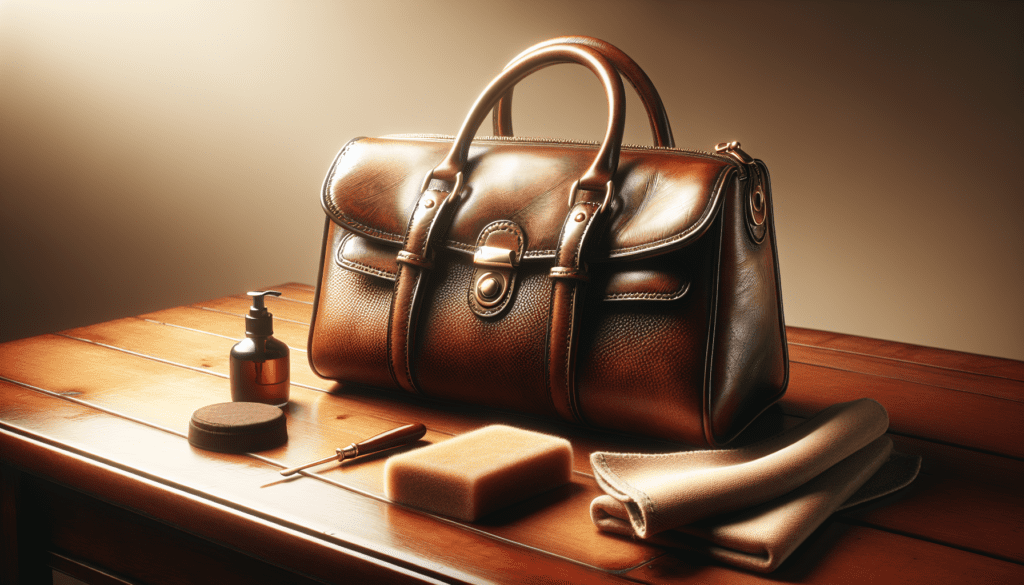
Different materials require specific cleaning solutions and techniques in Coach Bags. Use gentle products and test in an inconspicuous area before full cleaning.
Cleaning smooth leather
Smooth leather is relatively straightforward to care for. You’ll perform the following steps:
- Empty the bag and dust the interior.
- Wipe the exterior with a dry, soft cloth to remove surface dirt.
- Mix a small amount of mild soap (like a gentle dish soap or leather cleaner) with water. Dampen a cloth, wring thoroughly, and gently wipe the leather.
- Immediately dry with a clean cloth.
- Apply a small amount of leather conditioner sparingly to maintain suppleness, then buff.
Avoid saturating leather with water and avoid harsh detergents that remove natural oils.
Cleaning treated canvas and coated fabric
Coated canvas is forgiving but still benefits from careful cleaning:
- Remove loose debris.
- Wipe with a cloth dampened in warm water and a small amount of mild soap.
- For stubborn spots, use a soft brush and repeat until clean.
- Dry with a microfiber cloth.
You’ll avoid bleach, aggressive solvents, and machine washing.
Cleaning suede and nubuck
Suede requires special attention:
- Let stains dry, then use a suede eraser or a clean pencil eraser to lift surface marks.
- Use a suede brush to restore nap; brush gently in one direction.
- For wet stains, blot with a dry cloth and let air dry; use distilled white vinegar sparingly for tough stains—test first.
- Consider a professional cleaner for deep or oil-based stains.
Cleaning exotic skins
Exotic skins such as python or ostrich are sensitive:
- Use a soft, slightly damp cloth to wipe dust off scales in the direction of the scales.
- Avoid excessive moisture, oils, or conditioners not specifically formulated for exotic skins.
- For scaly textures, never scrub against the grain; disinfectants and solvents can damage the skin.
- Professional care is recommended for serious stains or damage.
Cleaning hardware and zippers
Your hardware will either patina over time or lose plating if aggressively cleaned. You’ll follow these steps:
- Wipe hardware with a soft, dry cloth after use to remove oils and moisture.
- Remove tarnish gently with a cotton swab and metal polish suited to the metal type; test in a hidden area first.
- For stuck zippers, rub a small amount of paraffin wax, a graphite pencil tip, or a zipper lubricant along the teeth and move the slider gently.

Conditioning and Protection of Coach Bags
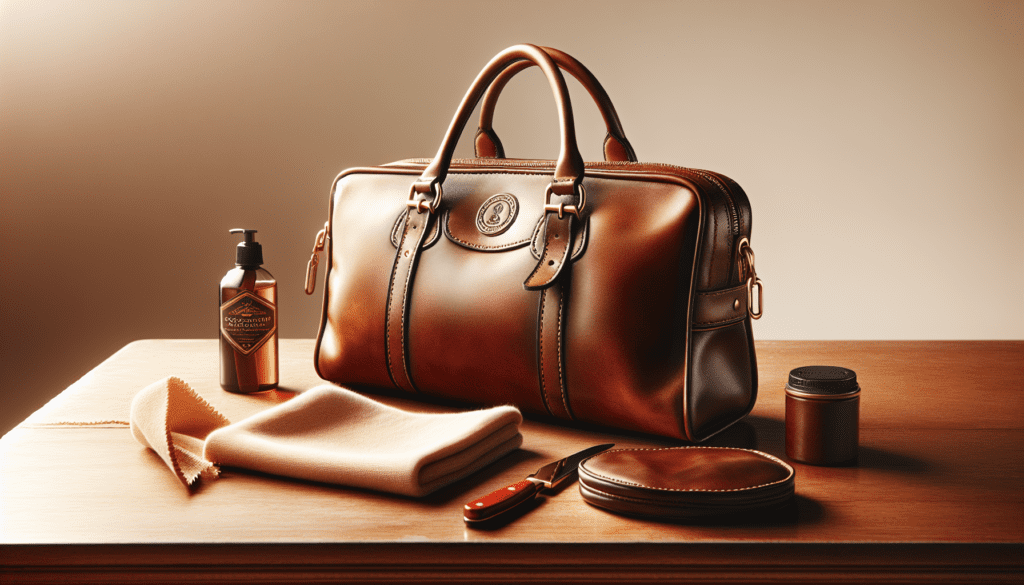
Conditioning of Coach Bags nourishes leather and prevents dryness and cracking. You’ll choose products that match the leather type.
Choosing the right conditioner for Coach Bags
Select a pH-balanced leather conditioner or cream made for your leather type. For pebbled and smooth leathers, choose a neutral, light conditioner. Avoid oils and heavy waxes on suede, nubuck, or exotic skins.
How often to condition Coach Bags
Conditioning Coach Bags every 4–6 months suits most leathers used frequently. For a bag stored or used infrequently, condition before long-term storage and after exposure to rain or humidity.
Repairs and Professional Services
Some issues are best left to professionals. You’ll weigh cost versus sentimental or monetary value when deciding on repairs.
When to repair vs replace Coach Bags
Repair when the bag holds sentimental or resale value, or when repair cost is markedly less than replacement. Replace if the bag is cost-effective to replace and repair would be disproportionate.
Common repairs and typical costs
| Repair type | Typical cost range (USD) | Notes |
|---|---|---|
| Stitching repair | $20–$75 | Small areas often low cost |
| Zipper replacement | $50–$150 | Depends on hardware complexity |
| Handle/strap replacement | $75–$250 | Heavy-duty or exotic materials higher |
| Re-lining | $100–$300+ | Fabric choices affect price |
| Hardware replating | $50–$200 | Gold or custom plating may cost more |
Prices vary with region and service provider; always get a detailed estimate.
Storage of Coach Bags for Long-Term or Seasonal Care
How you store a bag affects its lifespan. You’ll prepare the bag correctly to prevent mold, deformation, and discoloration.
Preparing Coach Bags for storage
Clean the bag thoroughly, condition appropriate leathers, and allow it to dry completely. Stuff the interior with acid-free tissue or a soft cloth to retain shape. Store in a breathable dust bag in a dry, temperature-stable environment.
Temperature and humidity considerations
Keep humidity between 40–55% and temperatures moderate (not extreme). High humidity encourages mold; very dry conditions can dry out leather. You’ll avoid attics, basements, or direct sunlight.
Styling and Wearing Coach Bags
Coach bags are versatile and fit a wide range of outfits. You’ll mix and match according to event and scale.
Matching Coach Bags to outfits and occasions
Choose structured, neutral leather bags for business and formal settings; go for patterned canvas or crossbody styles for casual or travel use. You’ll balance the bag’s scale with your frame and outfit proportions.
Transitioning from daytime to evening
To shift a Coach bag from day to night, swap a large tote for a refined shoulder bag or clutch, and minimize items inside. You’ll polish hardware and keep the bag clean to ensure it reads evening-appropriate.
Buying Guide for Coach Bags: New vs Pre-owned
Deciding between new and pre-owned depends on budget, rarity, and your tolerance for wear.
What to check when buying new Coach Bags
While buying Coach Bags Confirm the packaging, authenticity cards, and tags. Inspect stitching, serial codes, and hardware. You’ll also check the return policy and warranty coverage.
What to check when buying pre-owned Coach Bags
Ask for detailed photos, provenance, and an honesty report about stains, repairs, or modifications. You’ll inspect the creed patch, hardware wear, and interior lining, and consider professional authentication if needed.
New vs Pre-owned — Quick Comparison
| Factor | New | Pre-owned |
|---|---|---|
| Price | Higher | Lower, variable |
| Condition | Pristine | May show use |
| Rarity | Immediate | Possible access to discontinued models |
| Warranty | Usually available | Rare or none |
| Resale value | Depreciates | Depends on condition and rarity |
Sustainability and Resale Value
Your care routine affects both sustainability and resale value. You’ll make choices that extend the life of your bag and protect its future value.
How to preserve resale value of Coach Bags
Keep receipts, original box, dust bag, and tags. Maintain interior and exterior cleanliness, avoid heavy customizations, and address repairs quickly to prevent escalation.
Coach’s sustainability efforts
Coach has introduced recycling and material initiatives; you’ll see collections incorporating recycled content and responsible sourcing. Paying attention to materials and production transparency helps you make informed purchases.
Frequently Asked Questions about Coach Bags
How do you remove pen marks from leather?
You’ll try a mild leather cleaner first; for stubborn marks, rubbing alcohol on a cotton swab applied lightly and wiped quickly may lift ink. Test in an inconspicuous area before applying widely.
Can you machine wash Coach canvas?
You should avoid machine washing. Hand-clean coated canvas or take the bag to a professional cleaner to prevent damage to coatings and structure.
How do you get rid of odors in Coach Bags?
Empty the bag and air it out in a well-ventilated space. Use baking soda in a small breathable sachet or place a sachet of activated charcoal inside to absorb odors, and leave it for a few days.
Is it okay to use baby wipes on leather?
Occasional use of alcohol-free baby wipes may remove light dirt, but they can strip natural oils. You’ll prefer a soft cloth and a dedicated leather cleaner for regular maintenance.
Final Practical Checklist for Coach Bags
- Inspect and test new products on hidden areas before full use.
- Wipe down surfaces after each use and empty crumbs weekly.
- Condition leather every 4–6 months or as needed.
- Use dust bags and stuff bags for shape retention in storage.
- Rotate bags to avoid concentrated wear.
- Handle spills immediately with the appropriate technique for the material.
- Seek professional repair for major hardware or lining issues.
- Keep original packaging and receipts to support authenticity and resale.
You now have a comprehensive roadmap to choosing, maintaining, and caring for Coach Bags. By following targeted cleaning techniques, making thoughtful storage decisions, and using professional services when needed, you’ll maximize the life and appeal of your bag. Keep routines simple, act early on stains or damage, and the bag you love will reward you with long-term beauty and function.