

Are you wondering whether your Gucci Bag is authentic or a convincing replica?
Authenticate my Gucci Bag Guide to Identifying Authentic Gucci Bags
This Authenticate my Gucci Bag guide is written so you can carefully check every detail of your Gucci Bag and feel confident about its authenticity. You’ll find practical steps, visual cues to look for, and advice for buying or selling so you can protect your investment and make informed choices.
Why authenticating your Gucci Bag matters
Owning an authentic Gucci Bag means you’re buying quality workmanship and long-term value. When you authenticate a Luxury Bag, you protect yourself from financial loss, maintain the bag’s resale value, and preserve an item that was crafted with specific materials and techniques.
Authenticity also matters ethically and legally: counterfeit markets can fund illegal operations and violate designer intellectual property rights. Being able to identify a genuine piece helps you avoid unintentionally supporting that industry.
How Gucci Bag craftsmanship and hallmarks help you spot fakes
Gucci has consistent production standards, materials, and branding that are repeated across Gucci Bag collections. These consistencies make it possible to distinguish real Gucci Handbags from copies if you know where to look.
Your focus should be on materials, construction, hardware, stamps, and serial numbers, because counterfeiters Gucci Bag often get the overall look right but miss small, repeatable details in these areas.
Key areas to inspect in a Genuine Gucci Bag
Start by taking a holistic look, then zoom into the details. Fake Gucci Bag often fail at one or more of the checks below.
Exterior materials of Gucci Bag and GG canvas pattern
In a Gucci Bag, Check the canvas and printed patterns closely. Authentic Gucci canvas has precise color saturation and a steady, symmetrical GG repeat. The pattern repeat should align at seams and continue uninterrupted at major joins.
On canvas styles, the GG motifs are usually crisp with even spacing. If the Gs look blotchy, inconsistent, or misaligned across seams, that’s a warning sign. Keep in mind that different Gucci lines may use slightly different pattern scales, so compare with official product photos when possible.
Leather quality and feel of Gucci Bag
Gucci Bag uses quality calfskin, lambskin, and special-treated leathers that feel supple but sturdy. Real leather will have a natural, slightly warm texture and will age with a tasteful patina, not peel or flake.
If your Gucci Bag has a plasticky or overly stiff feel, or if the finish is uneven, that suggests lower-quality materials. Scratches and creases on genuine Gucci leather can look natural; uniform flaking or bubbling is usually a fake indicator.
Stitching and construction of Gucci Bag
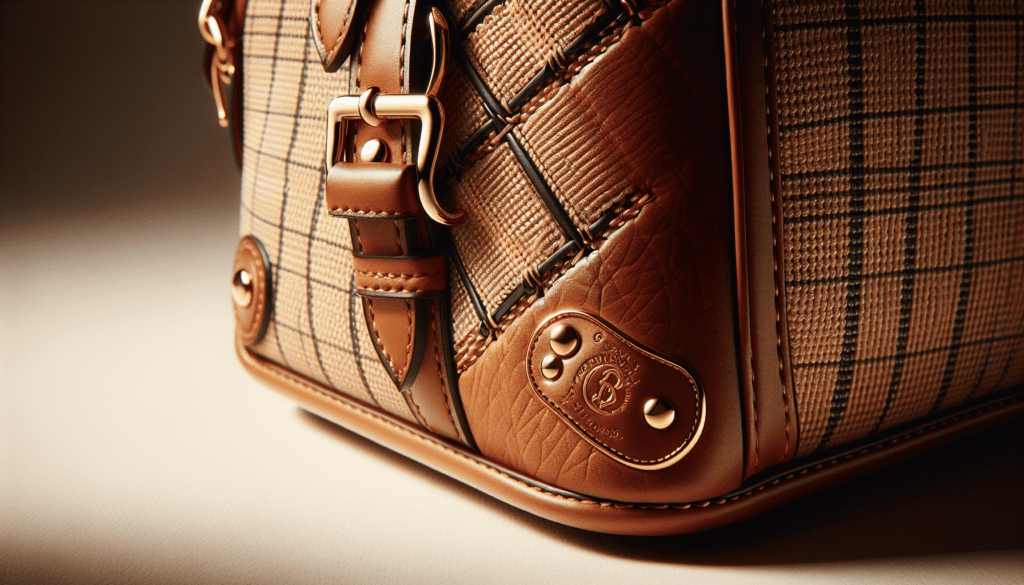
Inspect the stitching for evenness, straight lines, consistent tension, and no loose threads. Authentic Gucci Bag uses precise stitching, and stitch counts should be straight and symmetrical where visible.
Pay attention to edge painting and welt seams, which should be clean and durable. Crooked stitching, skipped stitches, or inconsistent thread color usually point to counterfeit production.
Logo stamp and branding of Gucci Bag
Inside an authentic Gucci Bag you should find a leather tag or imprint with the brand stamp. The stamp typically reads “GUCCI” in uppercase, followed by “Made in Italy” on the next line. The font, spacing, and depth of stamping are consistent on genuine pieces.
Counterfeit Gucci Bag may display wrong fonts, uneven stamping, misaligned text, or missing accents. Compare your stamp to official examples from a similar model or era to check for discrepancies.
Serial number and leather tag of Gucci Bag
Most Gucci Bag include a serial number on the reverse of the leather tag. Authentic serials are usually two rows of numbers—often a style/model number on the first row and a supplier or article number on the second. The numbers should be clearly embossed, evenly spaced, and centered.
Fake Designer Bags sometimes use generic or repeated serial numbers, poorly embossed digits, or wrong digit groupings. Be cautious if the number is printed instead of embossed or if the tag seems glued rather than stitched or integrated into the interior.
Table: Typical serial tag features (for comparison) in Gucci Bag
| Feature | Authentic Gucci | Common Fake Signs |
|---|---|---|
| Serial format | Two rows, clear embossed digits; consistent font and spacing | Single row, poorly embossed, faded, or printed numbers |
| Leather tag placement | Seamlessly integrated inside bag, stitched or recessed | Loose tag, glued, or oddly positioned |
| Stamp quality | Deep, crisp letters with even spacing | Shallow, uneven, or sloppy stamping |
| “Made in Italy” | Present on stamp, accurate font and spacing | Missing, misspelled, or wrong place |
Hardware and zippers in Gucci Bag
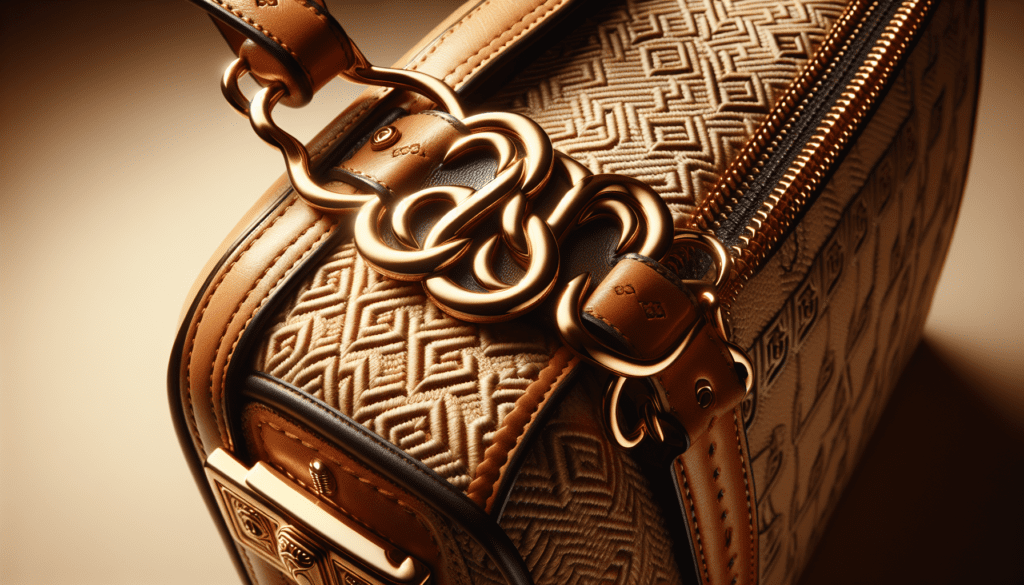
Authentic Gucci Bag hardware is heavy, sturdy, and finished very cleanly; it will often be engraved with the Gucci name or logo. Look for consistent plating (e.g., gold or silver tone) without flaking or discoloration. Hardware should function smoothly: clasps click, zippers glide, and magnets align.
Inspect zippers: genuine Gucci zippers feel robust and align with the Gucci Bag craftsmanship. Some Gucci zippers use recognizable manufacturers, but brands vary by model and production year. Cheap, noisy zippers, poorly soldered attachments, or faded plating are common red flags.
Interior lining, labels, and components of Gucci Bag
The interior lining of Gucci Bag should be high-quality and appropriate to the model—microfiber, suede, canvas, or leather—depending on the bag. Pockets should be finished with clean seams and consistent stitching.
Check interior pockets for additional tags or labels. Any fabric tags, care cards, or labels should match Gucci’s known materials and printing quality. Loose threads, raw seams, or mismatched lining textures signal poor manufacturing.
Dust bag, box, and packaging
Gucci dust bags and packaging are part of the product identity of a Gucci Bag. Authentic dust bags are typically thick cotton flannel or high-quality fabric with a clear Gucci logo and neat stitching. The drawstrings, tags, and logo placement should be uniform.
Some counterfeiters provide convincing dust bags, so packaging alone doesn’t prove authenticity—but poor-quality, flimsy dust bags are a quick red flag.
Smell and aging patina
Real leather has a distinct, natural smell that’s not chemical or overly plastic-like. Natural aging or patina on handles and edges should look gradual and consistent with wear.
An overpowering chemical odor, uniform discoloration, or bubbling finish are signs of synthetic or lower-grade materials.
Serial numbers and stamping in a Gucci Bag: how to read what you see
Serial numbers in a Gucci Bag can vary by era and model, so you’ll want to compare to authenticated examples of the same bag. Still, there are consistent things you can check.
- Look for two-row embossing with digits only—no letters or special characters. The digits should be deep and the leather should show an indent rather than ink.
- Compare the font and spacing to known authentic samples; counterfeit embossing is often shallower and irregular.
- Be alert to serial numbers that are too generic (e.g., repeatedly used numbers across many fakes) or numbers that match widely-circulated fake listings.
If you’re unsure, ask the seller for a high-resolution image of the serial tag and compare it to photos from official retailers or reputable resale sites.
Model-specific hallmarks: what to check on popular Gucci bags
Gucci Bags lines have unique features you can inspect. Knowing what is specific to each style will make authentication easier.
Marmont (GG Marmont / Matelassé) Gucci Bag
Marmont bags often feature chevron quilting and a double G logo. Check the chevron stitching: the lines should be even, aligned, and symmetrical. The double G hardware is usually smooth and has a particular curvature and finish—compare its weight and quality to known authentic photos.
Watch for incorrect quilting patterns, flimsy hardware, and wrong sizing of the double G logo as indicators of counterfeit Marmont pieces.
Dionysus Gucci Bag
Dionysus Gucci Bag are known for a distinctive tiger-head spur closure across the flap. The tiger-head should have defined detailing and symmetrical engraving. The unique hardware piece is a common target for poor reproductions.
Inspect how the closure attaches to the flap. On genuine Dionysus bags, the mechanism and bar structure are robust and integrated; replicas can have loose or roughly finished closures.
GG Supreme and monogram canvas
The GG Supreme canvas requires correct color tone, consistent GG spacing, and good canvas backing with clean piping. Pattern alignment across seams and edges is essential—uneven patterns at seams point to lower manufacturing standards.
Also check for print clarity; authentic canvas prints are sharp and resist smudging.
Soho Disco
The Soho Disco is distinguished by a pebbled leather texture and a small embossed logo on the front. The leather should be uniformly grainy and soft. A common focus is the embossed interlocking G logo placement and size; inconsistencies are a tell for replicas.
Jackie Bags
Jackie bags feature a piston-style closure or curved flap element depending on the era. Closures should be precise, with clean metal finishes and smooth mechanisms. The silhouette and proportion of the flap are important—compare these to official images to detect anomalies.
Common fake signs in Gucci Bag at a glance
Table: Quick red flags and what they mean
| Symptom | Why it matters |
|---|---|
| Price far below market | High likelihood of fake or stolen item |
| Blurry, staged, or stock photos only | Seller may be hiding details; request more pics |
| Poor stitching or uneven seams | Manufacturing quality is low |
| Hardware is lightweight or flaking | Cheaper metals/plating used by counterfeiters |
| Serial number printed, scratched, or missing | Fake or repaired piece |
| Incorrect font or spacing on stamps | Branding inconsistencies common in replicas |
| Smells strongly chemical/plastic | Not real leather or poor tanning |
How to authenticate a Gucci Bag when buying online
Buying Gucci Bag online increases risk, but with careful steps you can reduce it substantially. Follow these steps before committing to a purchase.
- Request clear photos: front, back, interior, close-ups of stamps, serial number, hardware, and seams. Ask for macro images of leather tag and stitching.
- Ask for a video or live video call so you can see the bag in motion—this helps detect lightweight hardware and hidden flaws.
- Verify the seller: check their history, ratings, number of prior sales, and buyer feedback. Ask why they’re selling and request proof of purchase if available.
- Compare with official photos: match measurements, color names, and small design features to the product listing on Gucci’s site or reputable resale platforms.
- Use an authentication service if you’re spending several hundred or thousands of dollars—this provides documented proof of authenticity.
Table: Photo checklist to request from a seller before buying Gucci Bag
| Photo required | Purpose |
|---|---|
| Full front and back | Confirm silhouette and overall wear |
| Interior lining, inside pockets | Check lining material and tags |
| Leather tag with GUCCI stamp | Readability and stamp quality |
| Serial number tag (reverse) | Verify serial format and embossing |
| Hardware close-ups (zips, clasp) | Engravings and plating inspection |
| Base/footing and corners | Assess wear pattern and edge finishing |
| Video of zippers opening/closing | Test function and smoothness |
Authentication services to use for Gucci Bag: when to use them and how they work
If you’re buying a high-value Gucci Bag, consider a professional authentication service. These services typically use trained authenticators or technology-assisted analysis to determine whether a piece is authentic.
Some services analyze high-resolution photos, while others require you to send the bag for in-person inspection. Technology-enabled platforms use machine learning or microscopic imaging to analyze material and stitching patterns. Fees vary based on service and level of detail, but many buyers regard the cost as worthwhile for expensive purchases.
Keep in mind that even professional authenticators can have different outcomes—if you receive conflicting assessments, request a second opinion or consult the brand boutique.
DIY tests you can do at home (safe and non-destructive) to authenticate Gucci Bag
There are a few simple checks you can do without risking damage of your Gucci Bag.
- Weight and feel: compare the bag’s heft to a genuine sample in a store if possible. Authentic hardware and leather will feel heavier and denser.
- Magnet test: many hardware pieces are not magnetic; a magnet can detect cheap plating or hollow parts. Use this only as a supplementary check.
- Stitch inspection: count and compare stitches per inch at key points. Real designer bags typically have consistent stitch counts.
- UV or light testing: under bright light, check the backing of canvas and the stitching quality for irregularities. Avoid using harsh lights that could damage colorants.
- Smell test: sniff the leather inside and out; a natural leather smell is common on genuine pieces.
Avoid aggressive chemical tests or long-term exposure to sunlight, as these can damage materials and void any chance of authenticating through specialists.
If the seller refuses more photos or video: what to do
A seller who won’t provide detailed photos or a live video is a big red flag. You should:
- Politely insist on more images and a video demonstrating the bag’s features and serial tag.
- Request proof of purchase or a receipt. Genuine sellers often can provide these.
- Walk away if the seller grows defensive, evasive, or tries pressure tactics. A safe purchase requires transparency.
Dealing with suspected counterfeit items you’ve already bought
If you suspect Gucci Bag you received is fake:
- Gather all your purchase documents, communications, and images.
- Contact the seller and explain your concerns. Request a refund or return if your platform allows it.
- Use a professional authenticator for a documented assessment. This report helps if you file disputes with marketplaces or payment providers.
- If the bag is confirmed counterfeit, report it to the platform and consider reporting to brand enforcement teams. Many platforms will issue refunds or take down suspicious sellers.
If returning isn’t possible, decide whether to keep the bag for personal use, resell as a replica (be transparent and legal), or dispose of it responsibly.
Pricing and value of a Gucci Bag: understanding what a realistic price looks like
A good rule of thumb: if a new Gucci Bag is being sold well below retail with no clear reason, be suspicious. For preowned pieces, pricing varies based on age, condition, rarity, and demand—research completed sales on reputable resale platforms to find fair market value.
Remember that a low price can be tempting, but the costs of owning a counterfeit—both monetary and reputational—often outweigh the short-term savings.
Red flags when evaluating sellers
- New accounts with no history or reviews.
- No willingness to provide serial numbers or close-up photos.
- Refusal to meet in person for local pickup or to offer insured shipping for high-value items.
- Pressure tactics or hurry to close a deal.
- Multiple identical designer pieces sold by one private seller (might indicate a reseller in knockoffs).
Trust your instincts. If something feels off, give yourself permission to walk away or ask for more verification.
Resources and communities for second opinions
You can use reputable forums, resale platforms with built-in authentication, and professional services for extra reassurance. Many communities share high-resolution comparison photos and model-specific tips that help you learn to spot subtle signs of inauthenticity.
When you post images or ask for help, always provide clear, well-lit photos and the serial number image to get reliable feedback.
Legal and ethical considerations
Selling counterfeit goods is illegal in many jurisdictions, and knowingly buying them can contribute to illicit markets. If you encounter counterfeit items being sold, reporting them helps reduce circulation and protects other buyers. Be mindful of local laws when returning or reporting counterfeit goods.
If you already own a counterfeit, avoid representing it as authentic when selling or trading. Transparency protects you legally and ethically.
Final checklist for Gucci Bag: your quick authentication rundown
Use the checklist below to perform a last-minute assessment before purchase or after receiving a bag.
Table: Authentication checklist
| Item | What to check | Pass / Fail |
|---|---|---|
| Price | Is it within a realistic range? | |
| Seller history | Positive reviews and transparency? | |
| Exterior pattern | GG alignment and print clarity? | |
| Leather feel | Natural, quality texture and smell? | |
| Stitching | Even, no loose threads, consistent count? | |
| Stamp | Clear GUCCI and Made in Italy stamp? | |
| Serial number | Two-row embossing, centered and deep? | |
| Hardware | Heavy, engraved, smooth operation? | |
| Zippers | Smooth, branded or sturdy, properly attached? | |
| Interior lining | Correct material and neat workmanship? | |
| Dust bag/packaging | High-quality dust bag, neat labels? | |
| Documentation | Receipt, original tags, authenticity card? |
If most items are “Pass,” you’re likely looking at a genuine bag. Anything marked “Fail” should be followed up with deeper investigation or third-party authentication.
What to do if you still have doubts
If uncertainty remains, consider these steps:
- Visit a Gucci boutique: staff can sometimes help verify authenticity or point you to official services.
- Use a paid authentication service to obtain a definitive report.
- Get a second opinion from a reputable resale platform or community that specializes in designer authentication.
When in doubt, give preference to secure, verified marketplaces over private sellers with limited credibility.
Conclusion – Gucci Bag
Authenticating a Gucci Bag is about careful inspection of material quality, hardware, stamping, serial numbers, stitching, and packaging. Use a systematic approach: request clear photos or video, compare to authentic references, consult professionals for high-value purchases, and trust your instincts when sellers are evasive.
By following these steps you can protect your money, preserve the value of your acquisitions, and enjoy your Gucci piece with confidence. If you want, you can send photos of your bag and I’ll walk you through a hands-on checklist to help you evaluate the most important features.